美剧天堂 美剧天堂

确认

购买本片需要支付0金币,确定要购买吗?

取消

确定

影视简介
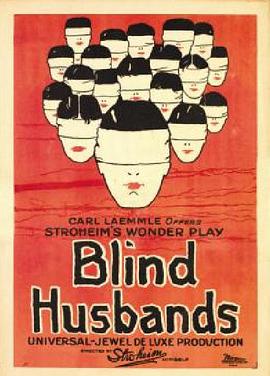
Two differences between this Austrian version and the generally available American version are immediately obvious: they differ both in their length and in the language of the intertitles. The American version is only 1,883 metres long - at 18 frames per second a difference of some 7 minutes to the Austrian version with 2,045 metres. Whereas we originally presumed only a negligible difference, resulting from the varying length of the intertitles, a direct comparison has nevertheless shown that the Austrian version differs from the American version both in the montage and in the duration of individual scenes. Yet how could it happen that the later regional distribution of a canonical US silent film was longer than the "original version"?   The prevalent American version of Blind Husbands does not correspond to the version shown at the premiere of 1919. This little-known fact was already published by Richard Koszarski in 1983. The film was re-released by Universal Pictures in 1924, in a version that was 1,365 feet (416 metres) shorter. At 18 frames per second, this amounts to a time difference of 20 minutes! "Titles were altered, snippets of action removed and at least one major scene taken out entirely, where von Steuben and Margaret visit a small local chapel." (Koszarski)   From the present state of research we can assume that all the known American copies of the film derive from this shortened re-release version, a copy of which Universal donated to the Museum of Modern Art in 1941. According to Koszarski the original negative of the film was destroyed sometime between 1956 and 1961 and has therefore been irretrievably lost. This information casts an interesting light on the Austrian version, which can be dated to the period between the summer of 1921 and the winter of 1922. Furthermore, the copy is some 200 metres longer than the US version of 1924. If one follows the details given by Richard Koszarski and Arthur Lennig, this means that, as far as both its date and its length are concerned, the Austrian version lies almost exactly in the middle between the (lost) version shown at the premiere and the re-released one.A large part of the additional length of the film can be traced to cuts that were made to the 1924 version in almost every shot. Koszarski describes how the beginning and the end of scenes were trimmed, in order to "speed up" the film. However, more exciting was the discovery that the Austrian version contains shots that are missing in the American one - shots/countershots, intertitles - and furthermore shows differences in its montage (i.e. the placing of the individual shots within a sequence). All this indicates that Die Rache der Berge constitutes the oldest and most completely preserved material of the film.
演员

盲目的丈夫们

资源列表
  • HD中字
相关影视
更多
希特勒的最后一战
In the days and weeks after D-day Nazi diehard and fanatics fight to the last man to stop Allied f
卖冰淇淋的人
一个美丽的小镇出现了一位神秘的冰淇淋小贩,他所供应的美味冰品让孩子们疯狂,全镇因此陷入失控……
瘴气营地的青春性事与死亡
两个女人陷入“欲望、恐惧和谵妄的血腥世界”和一场戏中戏:一个女导演迷恋上了一名女演员——该导演执导的经典砍杀恐怖片《瘴气营地》翻拍版的原版里,出演“活到最后的女孩”的那位。同时,邪恶的存在出现了。
无微不至
影片聚焦真实可感的中国式父子与父女关系,讲述陌生人之间彼此治愈、亲情在疏离中走向和解的温暖故事。
丧日少女
暂无简介,敬请期待
感觉就像爱
暂无简介,敬请期待
海外追逃
电诈头目陈一武潜逃海外实施诈骗犯罪,为将其引渡回国,中方海外追逃组长谭浩天与当地警方合作,寻找掌握犯罪证据的证人芦莉,在芦莉生死危急时,不惜生命相救,争取到芦莉自首,揭穿陈一武的假身份,完成海外追逃任务。
激情邀约
改编自2020年西班牙电影《多愁善感》。   一对结婚多年的夫妇婚姻出了问题,一天碰巧邀请楼上性观念开放的邻居来家做客,这一夜充满意想不到的转折,逐渐揭示他们内心深处压抑的情感和未曾探索过的性取向。
血腥腐朽
年轻女子肯齐·罗兹重回纽波特谷,这座沉寂的旅游小镇,是她当年婚约彻底破裂的伤心地。她本想了结过往心结,却发现平静小镇藏着一个吞噬一切的惊人秘密。诡异怪事接连爆发,她被迫深入追查,小镇深处的恐怖存在慢慢浮出水面,而她那段破碎的婚约里,也藏着和秘密紧紧绑定的隐情。
乐土之狱
17岁的英国孤女露西·格拉德威尔失去双亲后,遵照遗嘱漂洋过海,来到热带海岛上的橡胶种植园,投奔担任庄园主的叔叔乔治·休顿。这片风光旖旎的乐土看似是新生的归宿,实则处处是森严的规则与无形的枷锁。叔叔的严苛控制、阶层的巨大鸿沟,让她处处感到窒息。她与当地青年克里希纳暗生情愫,这场跨越身份与种族的禁忌之恋,彻底点燃了她与整个旧秩序的对抗。
心门之外
16 岁的塞巴斯蒂安在小镇享受着青春时光:他最喜欢和女友在湖边喝着啤酒、抽着大麻度过夏日黄昏。直到同龄的科利亚突然以父亲已故友人之子的名义闯入他的家庭。这个男孩瞬间俘获了所有人的心,尤其是塞巴斯蒂安。随之而来的情感过山车以最强烈的力量将塞巴斯蒂安抛离日常轨道。
人气948 爱情片
7.8 2022 美国 HD
爱情片

年份: 2022

主演: Billington   Cumming   Fay   Francelia   Holderness   Richard   埃里克·冯·施特罗海姆   萨姆·德·格拉斯  

描述:Two differences between this Austrian version and the generally available American version are immediately obvious: they differ both in their length and in the language of the intertitles. The American version is only 1,883 metres long - at 18 frames per second a difference of some 7 minutes to the Austrian version with 2,045 metres. Whereas we originally presumed only a negligible difference, resulting from the varying length of the intertitles, a direct comparison has nevertheless shown that the Austrian version differs from the American version both in the montage and in the duration of individual scenes. Yet how could it happen that the later regional distribution of a canonical US silent film was longer than the "original version"?   The prevalent American version of Blind Husbands does not correspond to the version shown at the premiere of 1919. This little-known fact was already published by Richard Koszarski in 1983. The film was re-released by Universal Pictures in 1924, in a version that was 1,365 feet (416 metres) shorter. At 18 frames per second, this amounts to a time difference of 20 minutes! "Titles were altered, snippets of action removed and at least one major scene taken out entirely, where von Steuben and Margaret visit a small local chapel." (Koszarski)   From the present state of research we can assume that all the known American copies of the film derive from this shortened re-release version, a copy of which Universal donated to the Museum of Modern Art in 1941. According to Koszarski the original negative of the film was destroyed sometime between 1956 and 1961 and has therefore been irretrievably lost. This information casts an interesting light on the Austrian version, which can be dated to the period between the summer of 1921 and the winter of 1922. Furthermore, the copy is some 200 metres longer than the US version of 1924. If one follows the details given by Richard Koszarski and Arthur Lennig, this means that, as far as both its date and its length are concerned, the Austrian version lies almost exactly in the middle between the (lost) version shown at the premiere and the re-released one.A large part of the additional length of the film can be traced to cuts that were made to the 1924 version in almost every shot. Koszarski describes how the beginning and the end of scenes were trimmed, in order to "speed up" the film. However, more exciting was the discovery that the Austrian version contains shots that are missing in the American one - shots/countershots, intertitles - and furthermore shows differences in its montage (i.e. the placing of the individual shots within a sequence). All this indicates that Die Rache der Berge constitutes the oldest and most completely preserved material of the film.
展开


资源列表

友情链接

本地记录
*
*